
Every teacher faces the challenge of mastering effective classroom skills before stepping into a real educational setting. With over 80 percent of new educators reporting that microteaching significantly boosted their confidence and competence, this approach continues to shape teacher training worldwide. Understanding how microteaching works, its key purposes, and the unique ways it supports british trainees will reveal why it remains the preferred method for building real classroom expertise.
Table of Contents
- Microteaching Defined: Purpose and Core Concepts
- Microteaching Techniques in Teacher Training
- Essential Skills Developed Through Microteaching
- Trinity CertTESOL: Microteaching’s Gold Standard
- Career Pathways and EBC’s Lifetime Support
Key Takeaways
| Point | Details |
| Microteaching Enhances Skills | Focused, iterative practice allows educators to develop and refine specific teaching techniques. |
| Trinity CertTESOL as Benchmark | Represents a leading standard in teacher training, integrating practical and theoretical learning. |
| EBC’s Lifetime Support | Offers comprehensive career guidance and job placement assistance, enhancing professional trajectories. |
| Reflective Practices Essential | Continuous self-evaluation and feedback mechanisms are critical for effective pedagogical development. |
Microteaching Defined: Purpose and Core Concepts
Microteaching represents an innovative and strategic approach to professional teacher training, designed to help educators refine their instructional techniques through carefully structured, concentrated learning experiences. Originally developed at Stanford University in 1963, this specialised training method provides a focused environment where trainee teachers can develop and enhance their pedagogical skills with precision and intentionality.
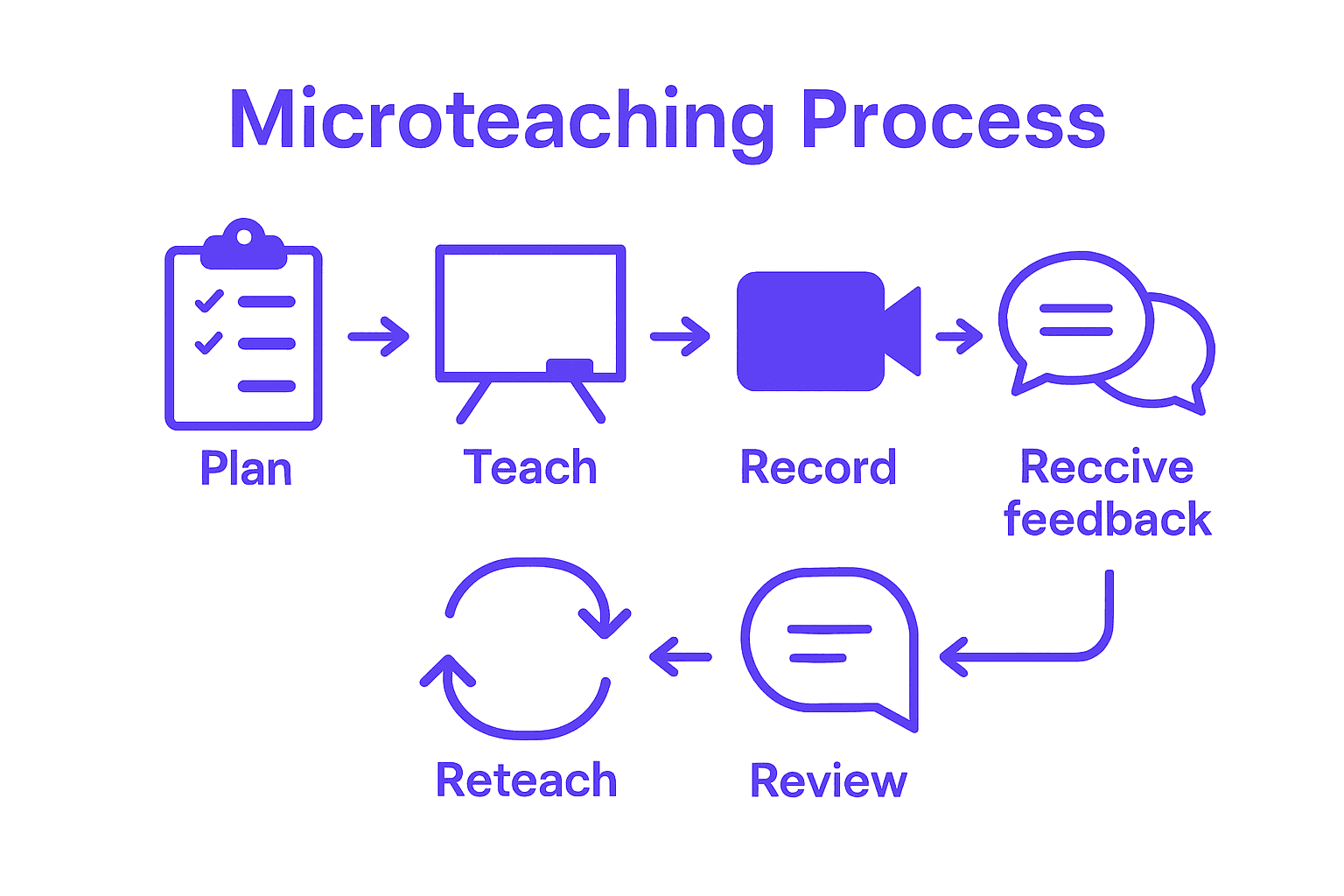
At its core, microteaching involves a systematic process where a teacher prepares and delivers a condensed lesson segment, typically lasting between 5-10 minutes, to a small group of peers or students. The organised training programme allows teachers to plan a short lesson, teach it, and then critically reflect on their performance. This reflective practice enables educators to identify strengths and areas for improvement through constructive feedback and self-analysis.
The key components of microteaching encompass several critical stages:
- Lesson Planning: Developing a concise, targeted instructional segment
- Mini-Lesson Delivery: Teaching the planned lesson to a small audience
- Video Recording: Capturing the teaching session for detailed review
- Peer and Mentor Feedback: Receiving constructive commentary
- Self-Reflection: Analysing personal teaching performance
These structured steps transform microteaching into a powerful professional development tool, allowing teachers to experiment with new strategies, receive immediate feedback, and iteratively improve their instructional capabilities. By breaking down complex teaching skills into manageable components, educators can systematically enhance their classroom effectiveness.
Pro Teaching Technique: Record and review your microteaching sessions using multiple perspectives, focusing not just on what you teach, but how you communicate and engage with learners to maximise your instructional impact.
Microteaching Techniques in Teacher Training
Microteaching techniques represent a sophisticated approach to professional development in education, offering teachers a structured method to enhance their instructional capabilities. Contemporary models of microteaching have evolved to incorporate advanced learning strategies, integrating social learning theory and metacognitive skill development, transforming traditional teacher training methodologies.
The process of microteaching follows a systematic cycle that allows educators to refine their teaching skills through deliberate practice and reflection. This comprehensive approach involves multiple stages: planning, teaching, observing, re-planning, re-teaching, and re-observing. Each stage provides an opportunity for incremental improvement, enabling teachers to deconstruct complex instructional techniques into manageable components and address specific areas of professional growth.
Key microteaching techniques include:
- Skill Isolation: Focusing on specific teaching competencies
- Peer Observation: Receiving constructive feedback from colleagues
- Video Analysis: Reviewing recorded teaching sessions
- Iterative Refinement: Implementing targeted improvements
- Metacognitive Reflection: Analysing personal teaching strategies
These techniques create a dynamic learning environment where teachers can experiment with innovative instructional approaches, develop greater self-awareness, and continuously enhance their professional practice. By breaking down teaching into precise, observable skills, educators can systematically improve their classroom performance and develop more nuanced pedagogical strategies.
The following table compares the impacts of key microteaching practices on teacher development:
| Practice | Immediate Benefit | Long-term Impact |
| Video Recording | Enables accurate self-evaluation | Builds reflective teaching habits |
| Peer Observation | Provides external perspective | Fosters collaborative culture |
| Skill Isolation | Improves focus on single techniques | Strengthens specific competencies |
| Iterative Refinement | Rapidly addresses weaknesses | Drives continuous improvement |
Pro Teaching Technique: Develop a personal reflection journal during microteaching sessions, documenting specific teaching moments, challenges encountered, and strategic improvements to create a comprehensive record of your professional development journey.
Essential Skills Developed Through Microteaching
Microteaching serves as a powerful professional development mechanism that systematically cultivates essential pedagogical skills for emerging educators. Pre-service English teachers significantly enhance their classroom management abilities and build substantial self-assurance through targeted training experiences, providing a structured pathway for skill refinement and confidence building.
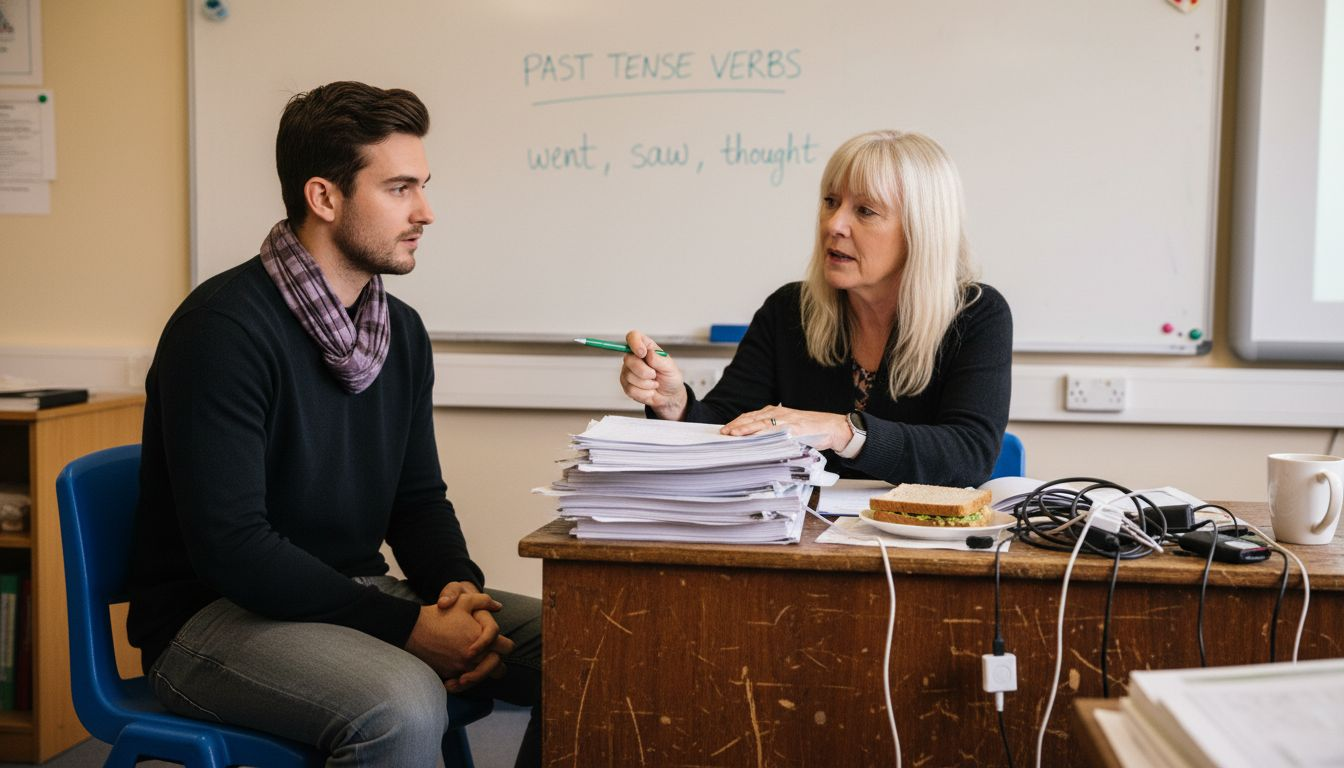
The comprehensive skill development process in microteaching encompasses multiple critical dimensions of effective teaching. By focusing on specific instructional tasks such as presentation techniques and learner reinforcement strategies, educators can develop nuanced approaches to classroom interaction and pedagogical delivery. These targeted learning experiences enable teachers to deconstruct complex instructional processes into manageable components, allowing for precise skill improvement and strategic professional growth.
Key skills developed through microteaching include:
- Classroom Management: Developing strategies for maintaining student engagement
- Presentation Skills: Refining communication and instructional delivery techniques
- Lesson Planning: Creating structured and effective learning experiences
- Adaptive Teaching: Responding dynamically to student needs
- Reflective Practice: Critically analysing personal teaching performance
These skills form a comprehensive framework that transforms novice educators into confident, competent professionals. By providing a safe, controlled environment for experimentation and learning, microteaching enables teachers to build muscle memory for effective instructional strategies, ultimately translating theoretical knowledge into practical classroom expertise.
Pro Teaching Technique: Record and systematically review your microteaching sessions, creating a personal development portfolio that tracks your progression and highlights specific areas of improvement in your pedagogical practice.
Trinity CertTESOL: Microteaching’s Gold Standard
The Trinity CertTESOL represents the pinnacle of professional teacher training, establishing an unparalleled standard for microteaching excellence in English language education. This internationally recognised certification provides comprehensive training that transforms aspiring educators through innovative pedagogical techniques, offering a gold-standard approach to developing world-class teaching capabilities.
At the core of the Trinity CertTESOL programme lies an intricate microteaching methodology that goes beyond traditional training models. The certification equips teachers with a sophisticated toolkit of instructional strategies, ensuring graduates are prepared for diverse international teaching environments. By integrating practical classroom experiences with rigorous theoretical foundations, the course creates a transformative learning journey that develops nuanced professional competencies.
Key distinguishing features of the Trinity CertTESOL microteaching approach include:
- Practical Assessment: Real-world teaching scenario evaluations
- Reflective Practice: Systematic performance analysis
- International Recognition: Globally respected certification
- Specialised Skill Development: Targeted pedagogical training
- Comprehensive Feedback: Detailed professional mentorship
The Trinity CertTESOL’s microteaching framework represents more than a qualification; it is a professional development pathway that prepares educators for successful international careers. By emphasising practical skills, critical reflection, and adaptable teaching strategies, the programme ensures teachers are equipped to excel in diverse educational contexts around the world.
Pro Teaching Technique: Develop a comprehensive teaching portfolio during your Trinity CertTESOL programme, documenting your microteaching experiences and demonstrating your professional growth to potential employers.
Career Pathways and EBC’s Lifetime Support
EBC’s Lifetime Job Placement Programme represents a revolutionary approach to career development for English language teachers, offering unprecedented support that extends far beyond traditional certification programmes. Professional development opportunities become truly transformative through EBC’s comprehensive career guidance and worldwide job placement support, ensuring graduates have a robust pathway to international teaching careers.
The programme’s unique approach encompasses multiple strategic career support mechanisms designed to empower teachers throughout their professional journey. EBC’s commitment to teacher success goes beyond mere certification, providing graduates with targeted resources and connections across global educational markets, creating a dynamic ecosystem of professional opportunities and continuous learning.
Key features of EBC’s lifetime support include:
- Global Job Network: Connections with international schools and language institutions
- Personalised Career Counselling: Tailored guidance for individual career trajectories
- Ongoing Professional Development: Continuous training and skill enhancement
- Worldwide Job Placement Assistance: Active support in securing teaching positions
- Cultural Transition Support: Guidance for international teaching environments
By integrating comprehensive career support with world-class Trinity CertTESOL training, EBC transforms professional teacher education into a holistic, lifelong development journey. The programme ensures teachers are not just certified, but strategically positioned to build successful, meaningful careers across diverse global educational landscapes.
Here is a summary of how EBC’s Lifetime Support and Trinity CertTESOL certification complement each other for global teaching careers:
| Programme Aspect | EBC Lifetime Support | Trinity CertTESOL |
| Career Guidance | Personalised mentoring and advice | Certification-focused support |
| Professional Recognition | International job network access | Globally respected diploma |
| Ongoing Skill Development | Continuous training opportunities | Emphasis on self-reflection |
| International Job Placement | Direct school connections worldwide | Strong CV enhancement |
Pro Teaching Technique: Maintain an updated professional portfolio and actively engage with EBC’s career support network, leveraging their lifetime placement assistance to explore and secure exciting international teaching opportunities.
Elevate Your TEFL Career with Expert Microteaching Training and Lifetime Support
Microteaching, as highlighted in the article “What Is Microteaching and Its Impact on TEFL Careers,” is a vital step for mastering key teaching skills such as lesson planning, reflective practice, and classroom management. These skills are essential for building confidence and professional competence in the classroom. If you are ready to refine your teaching techniques through internationally recognised Trinity College London accredited courses, EBC TEFL offers practical, hands-on training tailored to prepare you for global teaching roles.
Beyond exceptional microteaching preparation, EBC TEFL provides lifetime job placement support that connects you with teaching opportunities worldwide, including popular destinations like Spain, France, Italy, and various Asian countries. Our unique 1-year study and work abroad programmes combine accredited teacher training, immersive language study, post-graduate studies, visa support, and part-time teaching opportunities to fully equip you for success abroad. Discover how our comprehensive approach can transform your TEFL journey at EBC TEFL’s official site, explore our Trinity CertTESOL courses, and learn more about the unmatched global support we provide through our lifetime job placement programme.
Are you ready to launch a rewarding international teaching career powered by expert training and lifelong support Why wait to gain the confidence and skills to excel Take the next step today by booking a free consultation at EBC TEFL and begin your journey to becoming a transformative educator abroad.
Book a Call

Frequently Asked Questions
What is microteaching?
Microteaching is a focused teacher training method where educators deliver short lesson segments, typically lasting 5-10 minutes, to a small audience, allowing for targeted practice and feedback.
How does microteaching benefit TEFL educators?
Microteaching helps TEFL educators by providing them with a controlled environment to refine their instructional techniques, develop classroom management skills, and build confidence through iterative practice and constructive feedback.
What are the key components of a microteaching session?
Key components of microteaching include lesson planning, mini-lesson delivery, video recording for analysis, peer and mentor feedback, and self-reflection to identify areas for improvement.
How does the Trinity CertTESOL programme incorporate microteaching?
The Trinity CertTESOL programme features an intricate microteaching methodology that combines practical teaching experiences with theoretical foundations, equipping educators with advanced instructional strategies for diverse educational settings.