
Surprisingly, more than eighty countries require advanced intercultural communication skills for accredited TEFL roles, making cultural awareness as vital as language expertise for aspiring teachers. For anyone aiming to teach, understanding how cultural differences shape learning can be the key to success. This introduction unpacks why cross-cultural competence is indispensable for TEFL educators and what practical knowledge you need to excel abroad.
Table of Contents
- Defining Intercultural Communication In TEFL
- Cultural Differences In The English Classroom
- Key Skills For Effective Cross-Cultural Interaction
- Strategies To Foster Intercultural Understanding
- Challenges And Mistakes To Avoid Abroad
Key Takeaways
| Point | Details |
| Intercultural Communication in TEFL | Effective teaching involves understanding cultural nuances and bridging gaps through language learning, beyond just grammar and vocabulary. |
| Cultural Differences in Learning | Diverse backgrounds shape students’ communication styles and learning expectations, necessitating adaptive teaching strategies. |
| Key Skills for Teachers | Educators should cultivate empathy, cultural awareness, and adaptability to foster inclusive learning environments. |
| Challenges when Teaching Abroad | Managing unspoken cultural norms and misunderstandings is critical; teachers must develop observation skills and seek local guidance. |
Defining Intercultural Communication in TEFL
Intercultural communication represents a complex and dynamic process of interaction between individuals from diverse cultural backgrounds, requiring language teachers to develop sophisticated skills beyond traditional language instruction. In the context of Teaching English as a Foreign Language (TEFL), this approach goes far deeper than linguistic competence, encompassing an intricate understanding of cultural nuances, communication patterns, and social contexts.
At its core, intercultural communication involves understanding how cultural differences shape communication styles, expectations, and interpretations. For TEFL educators, this means recognising that language learning is not simply about grammatical structures or vocabulary, but about bridging cultural gaps and fostering mutual understanding. Cultural sensitivity and understanding becomes paramount when teaching English in diverse global contexts, where students bring unique cultural perspectives and communication norms.
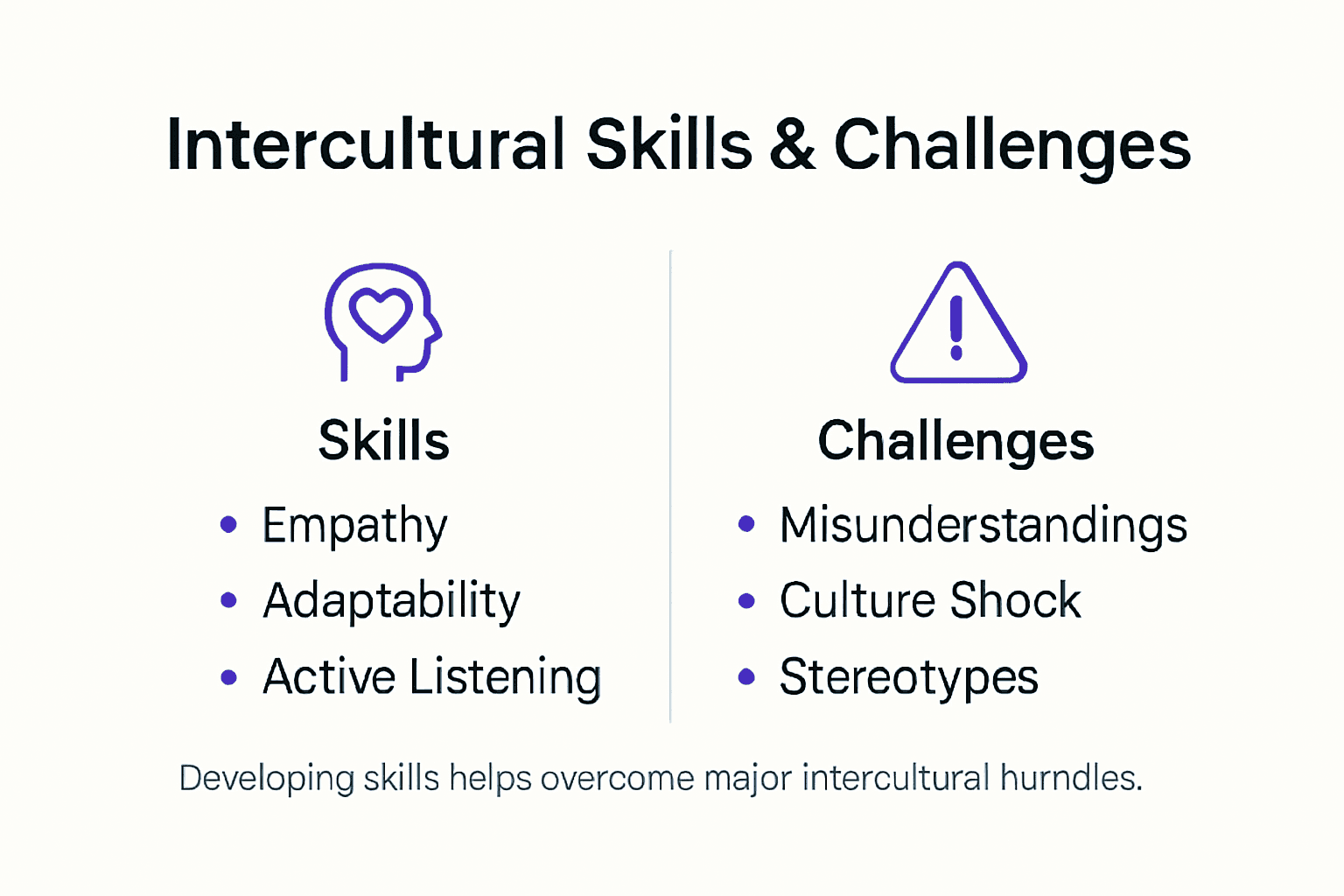
Successful intercultural communication in TEFL requires teachers to develop several key competencies. These include empathy, active listening, adaptability, and a non-judgmental approach to cultural differences. Educators must learn to recognise their own cultural biases, challenge stereotypes, and create inclusive learning environments that respect and celebrate diversity. By developing these skills, teachers can transform language classrooms into spaces of genuine cross-cultural understanding and meaningful dialogue.
Pro tip: Practice active observation and self-reflection to develop your intercultural communication skills, constantly challenging your own assumptions and remaining curious about different cultural perspectives.
Cultural Differences in the English Classroom
Cultural differences fundamentally reshape the dynamics of English language learning, creating complex interactions that extend far beyond traditional linguistic instruction. Students’ diverse cultural backgrounds profoundly influence their learning approaches, challenging educators to develop nuanced, adaptive teaching strategies that respect and leverage individual cultural perspectives.
Understanding these cultural variations requires recognising that communication styles, classroom participation norms, and learning expectations differ dramatically across cultural contexts. Some students from collectivist cultures might prioritise group harmony and indirect communication, while learners from individualistic societies may prefer more direct, explicit interactions. These differences manifest in classroom behaviours such as questioning techniques, response patterns, and interpersonal engagement, making cultural intelligence a critical skill for effective English language teachers.
Navigating cultural differences demands sophisticated pedagogical approaches. Educators must develop keen observational skills, demonstrating flexibility in their teaching methods and creating inclusive environments that validate diverse communication styles. This might involve adapting group work structures, modifying assessment techniques, and developing culturally responsive instructional materials that resonate with students’ lived experiences and cultural frameworks.
The following table contrasts common classroom behaviours influenced by different cultural backgrounds:
| Aspect | Collectivist Cultures | Individualist Cultures |
| Participation Style | Reluctant to speak out individually | Encouraged to share personal views |
| Approach to Authority | Show deference | Challenge or question teachers |
| Group Work | Value group harmony and consensus | Prefer independent or competitive work |
| Response to Feedback | May avoid direct confrontation | Open to direct and explicit feedback |
Pro tip: Regularly engage in cross-cultural self-reflection and seek feedback from students to continuously refine your understanding of cultural communication dynamics in the English classroom.
Key Skills for Effective Cross-Cultural Interaction
Effective cross-cultural communication demands a sophisticated set of skills that go beyond traditional language proficiency. Intercultural communicative competence involves complex cognitive, affective, and behavioural abilities that enable educators and students to navigate diverse cultural landscapes with sensitivity and intelligence.
The core skills for successful cross-cultural interaction include cultural awareness, empathy, adaptability, and critical self-reflection. These competencies require teachers to develop deep insights into their own cultural biases while simultaneously cultivating an open, non-judgmental approach to understanding different cultural perspectives. This involves recognising that communication is not just about linguistic accuracy, but about understanding the nuanced social and contextual meanings embedded within language interactions.

Practical strategies for developing these skills include active listening, engaging in reflective practice, and creating opportunities for meaningful cross-cultural dialogue. Educators must learn to read nonverbal cues, understand implicit communication patterns, and adapt their teaching approaches to accommodate diverse learning styles and cultural expectations. This might involve using inclusive teaching methods, designing culturally responsive learning materials, and creating classroom environments that celebrate cultural diversity and promote mutual understanding.
Pro tip: Develop a personal cultural competence journal to systematically document and reflect on your cross-cultural interactions, challenges, and learning experiences.
Strategies to Foster Intercultural Understanding
Intercultural learning models in language education emphasise the critical importance of deliberate, structured approaches to developing cross-cultural competence. These strategies move beyond traditional language instruction, transforming English classrooms into dynamic spaces of cultural exploration and mutual understanding.
Effective strategies for fostering intercultural understanding include creating comparative cultural frameworks that encourage students to critically examine their own cultural assumptions while respectfully exploring differences. This might involve structured activities like cultural dialogue sessions, comparative case studies, and reflective exercises that prompt learners to analyse communication patterns, social norms, and unspoken cultural rules. By developing these analytical skills, students learn to approach cultural differences with curiosity, empathy, and intellectual rigour.
Practical implementation requires educators to design intentional learning experiences that facilitate meaningful cross-cultural interactions. This could involve collaborative projects that bring together students from diverse backgrounds, role-playing scenarios that simulate complex intercultural communication challenges, and multimedia resources that provide authentic representations of cultural diversity. The goal is to create immersive, interactive learning environments that challenge stereotypes, develop critical thinking skills, and nurture genuine appreciation for cultural complexity.
Here is a summary of practical strategies for fostering intercultural understanding in TEFL:
| Strategy | Core Purpose | Example Application |
| Comparative Case Studies | Encourage critical cultural analysis | Compare greetings across countries |
| Role-Playing Scenarios | Simulate real-life cross-cultural issues | Negotiating meaning in misunderstandings |
| Collaborative Projects | Foster teamwork among diverse students | Joint storytelling in mixed groups |
| Multimedia Resources | Provide authentic cultural exposure | Videos of daily life around the world |
Pro tip: Incorporate multimedia storytelling and personal narrative exchanges to humanise cross-cultural learning, allowing students to connect through shared human experiences beyond surface-level cultural differences.
Challenges and Mistakes to Avoid Abroad
Teaching English abroad presents a complex landscape of potential cultural misunderstandings and professional challenges that require careful navigation. Intercultural adaptation demands more than linguistic skills, requiring deep emotional intelligence and self-awareness to successfully integrate into new professional and social environments.
Common challenges include navigating unspoken cultural norms, managing communication expectations, and avoiding inadvertent cultural faux pas. Language teachers may encounter difficulties such as misinterpreting nonverbal communication, struggling with hierarchical workplace structures, or misunderstanding local professional etiquette. These challenges can manifest in various contexts, from classroom interactions to staff meetings, where cultural expectations might significantly differ from one’s home country practices. Learning to observe, listen, and adapt becomes crucial for maintaining professional relationships and personal effectiveness.
Practical strategies for mitigating these challenges involve developing robust cultural observation skills, maintaining a humble and open mindset, and proactively seeking guidance from local colleagues. This might include requesting informal mentorship, participating in cultural orientation programmes, and maintaining a reflective practice journal to document and learn from cross-cultural experiences. Successful international educators learn to balance their own cultural identity while remaining flexible and respectful of local customs and communication patterns.
Pro tip: Develop a personal cultural adaptation toolkit that includes local language phrases, nonverbal communication guides, and a network of supportive local and expatriate contacts to help navigate unexpected cultural challenges.
Master Intercultural Communication with Accredited TEFL Training
The article highlights key challenges such as navigating cultural differences, developing empathy, and adapting teaching styles for diverse learners. If you want to confidently overcome these intercultural hurdles and become a highly skilled English teacher abroad, EBC TEFL offers Trinity College London accredited courses that equip you with practical cross-cultural communication skills. Our programmes go beyond language theory to prepare you for real-world teaching scenarios where cultural awareness is essential.
Start your journey with Trinity CertTESOL or specialised courses like Business English and Online Teaching to boost your intercultural competence and enhance your career prospects worldwide. Explore our unique 1-year study and work abroad programmes in Spain, France, and Italy that combine accredited teacher training, language immersion, and professional development. Benefit from lifetime job placement support and a global network to secure teaching opportunities that match your goals. Take the next step to transform your passion for cross-cultural education into a rewarding international career by booking a free consultation today at EBC TEFL. Discover how you can confidently bridge cultures and inspire learners everywhere.
Frequently Asked Questions
What is intercultural communication in the context of TEFL?
Intercultural communication in TEFL refers to the complex interactions between individuals from diverse cultural backgrounds, focusing on understanding and bridging cultural gaps while teaching English as a Foreign Language.
What key skills do teachers need for effective intercultural communication?
Teachers need skills such as cultural awareness, empathy, adaptability, active listening, and critical self-reflection to navigate diverse cultural landscapes successfully and create inclusive learning environments.
How can educators foster intercultural understanding in the classroom?
Educators can foster intercultural understanding by using comparative cultural frameworks, engaging in collaborative projects, role-playing scenarios, and integrating multimedia resources that showcase authentic cultural perspectives.
What are some common challenges teachers face when teaching abroad?
Common challenges include navigating unspoken cultural norms, managing communication expectations, and avoiding cultural misunderstandings that can arise from differing local professional etiquette and communication styles.
Recommended
- English language teaching skills for successful TEFL teachers – EBC Trinity CertTESOL and TEFL courses
- How to teach to students from multilingual backgrounds – EBC Trinity CertTESOL and TEFL courses
- Cultural sensitivity and inclusivity in TEFL: Get certified today – EBC Trinity CertTESOL and TEFL courses
- Cultural immersion: Why move abroad to teach English? – EBC Trinity CertTESOL and TEFL courses